
Tour it. Love it. Move in! Ready Now, Yours this October. Explore quick move-ins today.
Array
(
)


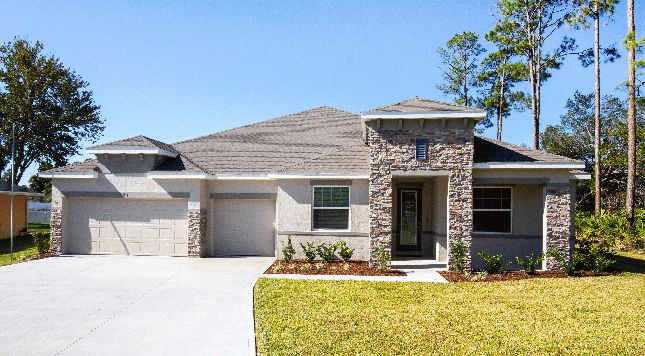
 Cape Coral, Lee County
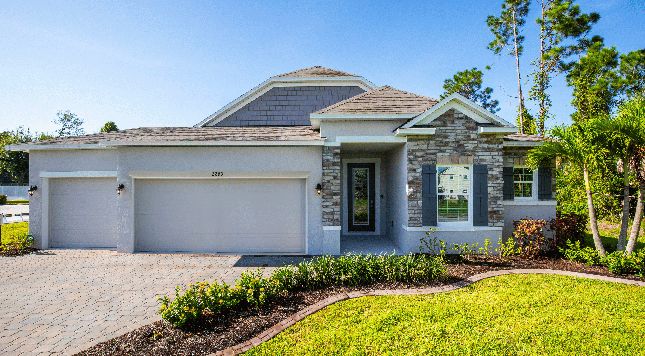 Punta Gorda, Charlotte County
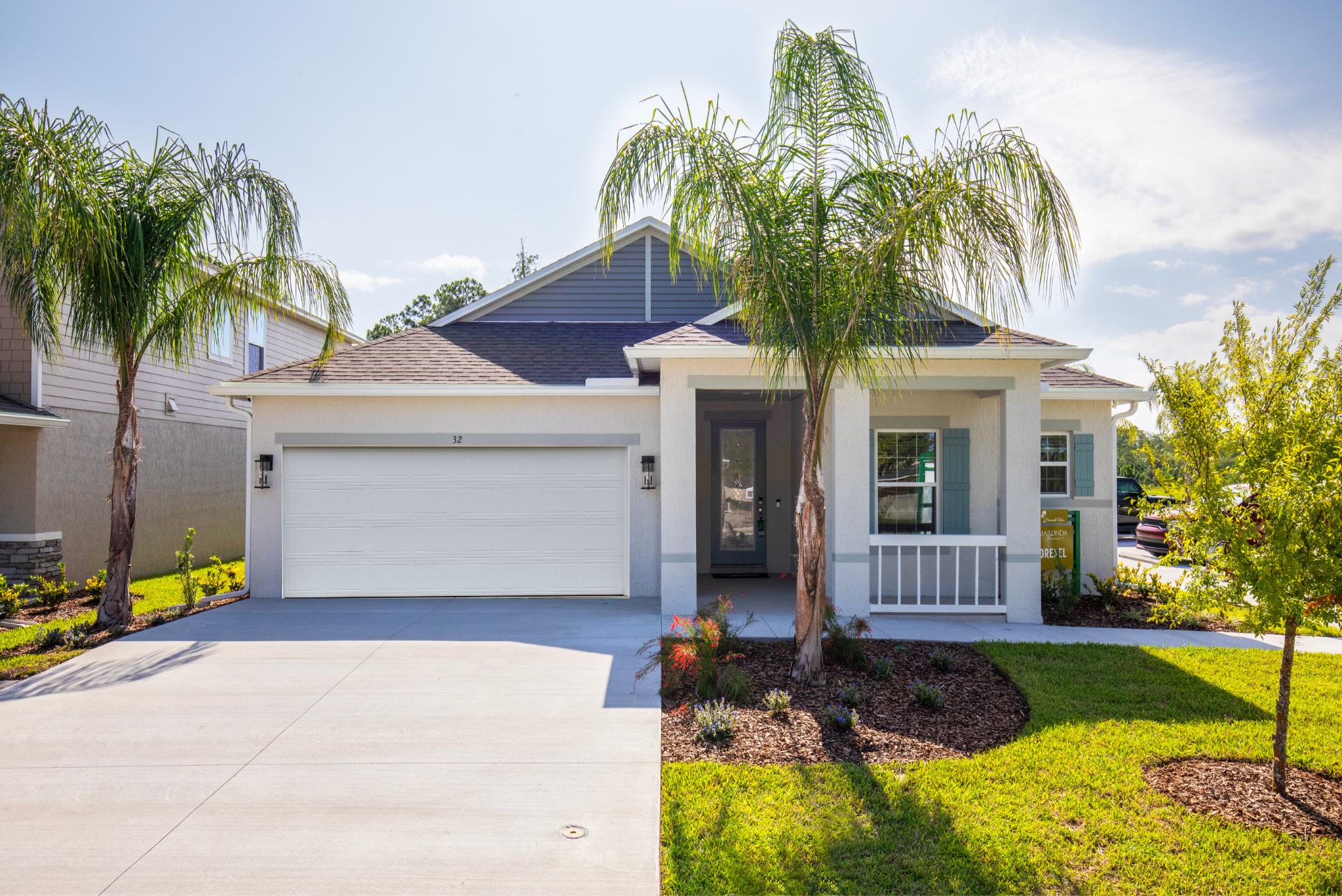
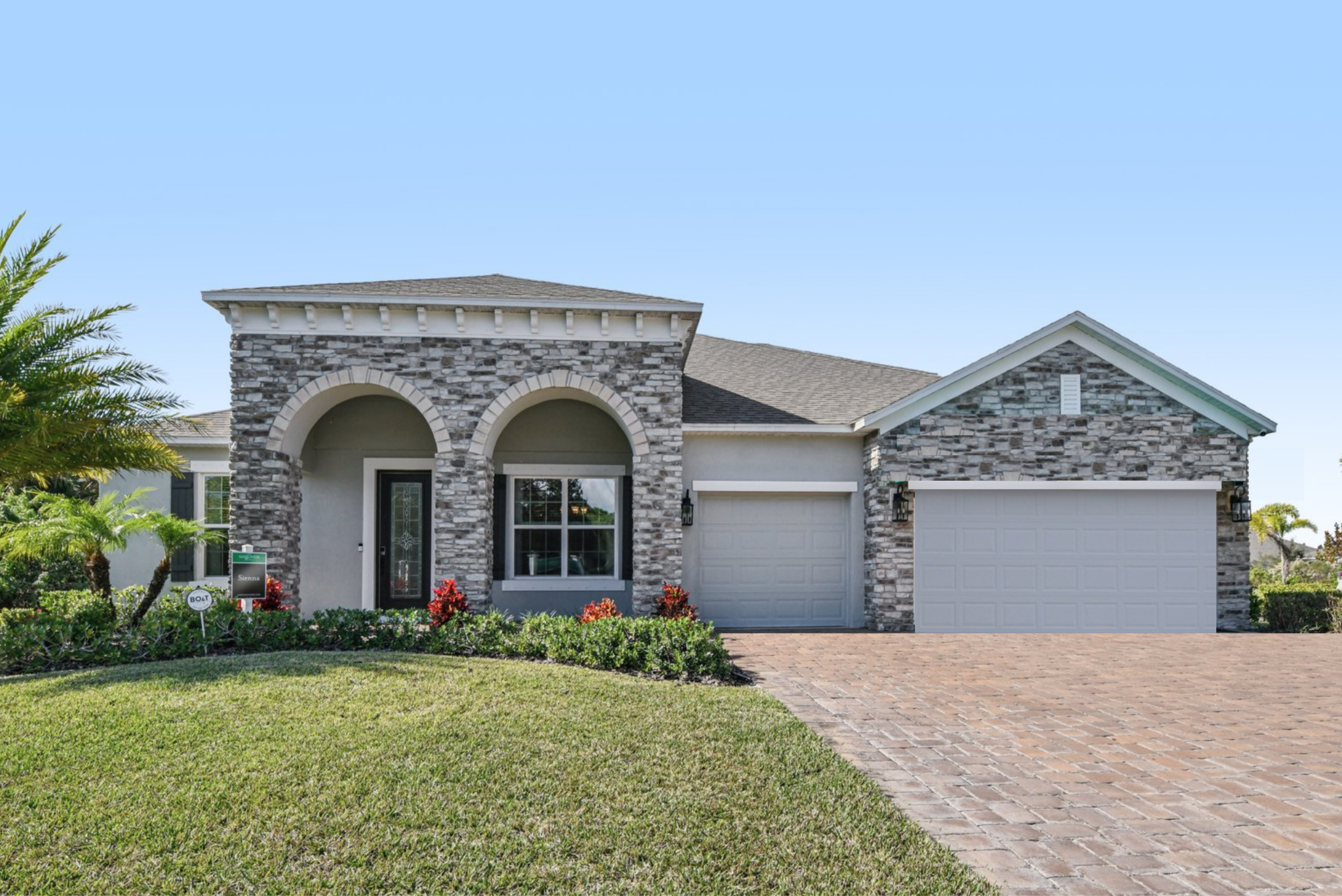 Cape Coral, Lee County
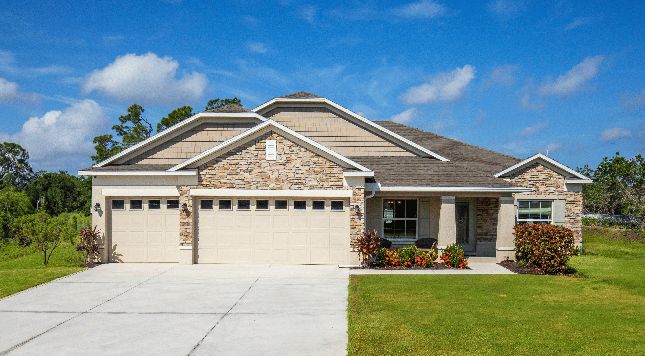 Punta Gorda, Charlotte County
 Pine Island, Lee County
Cape Coral is a sprawling, water-centric suburb defined by its record-breaking 400 miles of canals, offering a laid-back lifestyle that prioritizes boating, fishing, and safety. While it lacks a traditional high-rise downtown or natural Gulf beaches, it functions as a quiet residential sanctuary that is significantly more affordable than other Florida coastal hubs like Naples or Miami. The city is ideal for those seeking a slow-paced, tropical environment with high safety ratings and ample backyard water access, provided they are comfortable with a car-dependent lifestyle, seasonal bridge traffic, and the humid subtropical climate.
If the location of these communities is not your ideal location, Maronda Homes is also building:
Cape Coral is a massive suburban peninsula. Unlike Miami or Tampa, it doesn’t have a traditional high-rise “downtown” core. It’s primarily residential, quiet, and laid-back. It feels like one giant, water-interlaced neighborhood where the pace of life is significantly slower than on Florida’s east coast.
The demographic is shifting. While it remains a top-tier retirement destination (median age is around 48), it has recently become a magnet for remote workers and families looking for more square footage and safety. It is a community of homeowners; you won’t find the transient, “tourist-trap” feel of nearby Fort Myers Beach.
The term “Waterfront Wonderland” was coined in the late 1950s by developers. They transformed uninhabited swampland into a master-planned community by digging over 400 miles of canals—more than any city in the world—to provide waterfront access to the Gulf of Mexico. This means a huge percentage of residents have water in their backyard. This unique layout creates a beautiful landscape, but it also means the city is very spread out.
Yes, absolutely. Cape Coral is highly car-dependent. Public transit is minimal, and because the city covers 120 square miles, biking or walking is usually only practical within specific, small pockets. Most residents commute across the bridges to Fort Myers for work or major healthcare services.
It is a subtropical climate.
It is a serious factor. Being a low-lying peninsula, the city is vulnerable to storm surges. Modern building codes make newer homes very resilient, but flood insurance and hurricane preparedness are mandatory parts of life here, not just suggestions.
We talk more in-depth about and answer the question “How do new homes hold-up in a hurricane” here.
Compared to the rest of the U.S., it’s slightly above average, but compared to other Florida coastal cities, it’s a bargain. The lack of state income tax helps offset the higher costs of home insurance and utilities (especially A/C in the summer).
The local economy is driven by healthcare, construction, retail, and hospitality. Many professionals live in the Cape but commute to Fort Myers or Naples, or work remotely.
It takes approximately 6 – 12 months to build your new home in Cape Coral with Maronda Homes. Disclaimer: Build times are subject to change at any time for any reason. Build times and completion dates are estimates only and are not guaranteed. Actual construction duration may vary based on weather conditions, material availability, labor schedules, and local permitting processes. Please consult with your sales representative for the most current project updates.